
Understanding the psychological toll of gambling addiction on individuals
The Nature of Gambling Addiction
Gambling addiction, also known as compulsive gambling or pathological gambling, is a behavioral disorder characterized by an uncontrollable urge to gamble despite the negative consequences. This addiction often stems from the initial thrill of winning and can lead individuals down a path of financial ruin, emotional turmoil, and strained relationships. The compulsive nature of this addiction can make it difficult for individuals to recognize when their gambling has escalated beyond a fun activity to a harmful obsession. Many people enjoy online casinos, but for some, this can trigger destructive behaviors.
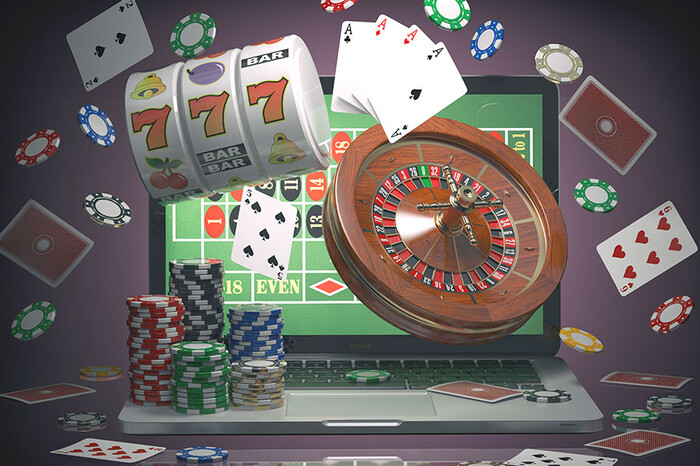
The psychological mechanisms involved in gambling addiction are complex. Many individuals engage in gambling to escape from stress, anxiety, or depression. The temporary relief they feel while gambling often reinforces the behavior, creating a vicious cycle that can be hard to break. Understanding these triggers is essential for both individuals and their loved ones in addressing the addiction effectively.
Impact on Mental Health
The psychological toll of gambling addiction is profound. Individuals often experience a range of mental health issues, including anxiety, depression, and low self-esteem. The shame and guilt associated with gambling losses can lead to further isolation, exacerbating their emotional struggles. Research indicates that individuals with gambling addiction are at a higher risk of suicidal thoughts and actions, highlighting the urgent need for mental health support and intervention.
Moreover, the relentless pursuit of the next win can lead to a distorted perception of reality. Many gamblers develop irrational beliefs about luck and chance, which can further entrench them in their addiction. This disconnection from reality can cause severe emotional distress and lead to a state of denial, making it challenging for individuals to seek help or acknowledge their problem.
The Social Consequences
Gambling addiction does not only affect the individual; it has significant social ramifications as well. Relationships with family and friends often suffer as the addict prioritizes gambling over personal connections. Trust is eroded as lies and deception become commonplace, leading to a breakdown in communication and support systems. Families may face financial strain due to the gambling debts incurred, further complicating dynamics and creating additional stress. In some cases, these relationships can break down completely, leaving individuals to navigate their struggles alone.
Furthermore, the stigma surrounding gambling addiction can deter individuals from seeking help. Many feel ashamed and prefer to hide their struggles, which can lead to feelings of loneliness and despair. Support networks become critical in these situations, as they provide a safe space for individuals to express their feelings and begin the healing process.
Pathways to Recovery
Recovering from gambling addiction is a challenging but achievable process. It often begins with acknowledging the problem and seeking help from professionals who specialize in addiction. Therapy, support groups, and behavioral interventions can provide individuals with the tools they need to overcome their addiction and rebuild their lives. Cognitive-behavioral therapy, in particular, has shown promise in helping individuals change their thought patterns and behaviors associated with gambling.
Additionally, creating a supportive environment is vital for recovery. Families and friends can play a crucial role in encouraging individuals to seek help and remain committed to their recovery journey. Establishing open lines of communication and providing emotional support can significantly enhance the chances of successful rehabilitation.

Understanding Your Resources
Understanding the psychological toll of gambling addiction is essential in fostering a supportive environment for those affected. Resources such as counseling services, hotlines, and support groups are available to help individuals and families navigate the complexities of addiction. Seeking assistance can empower individuals to reclaim their lives and build healthier relationships with gambling.
In conclusion, acknowledging the psychological impact of gambling addiction is the first step toward healing. By leveraging available resources and fostering an understanding community, we can help individuals break free from the cycle of addiction and lead fulfilling lives once more.