
Understanding the psychological triggers that drive gambling behaviors in casinos
The Allure of Immediate Rewards
One of the most significant psychological triggers driving gambling behaviors in casinos is the allure of immediate rewards. The excitement associated with winning, even if the wins are small, creates a dopamine rush that reinforces the behavior. This rush can lead to a cycle where players continuously seek that euphoric feeling, often disregarding the long-term consequences of their actions. In fact, many players turn to online casino real money games, seeking that thrill directly from their homes.
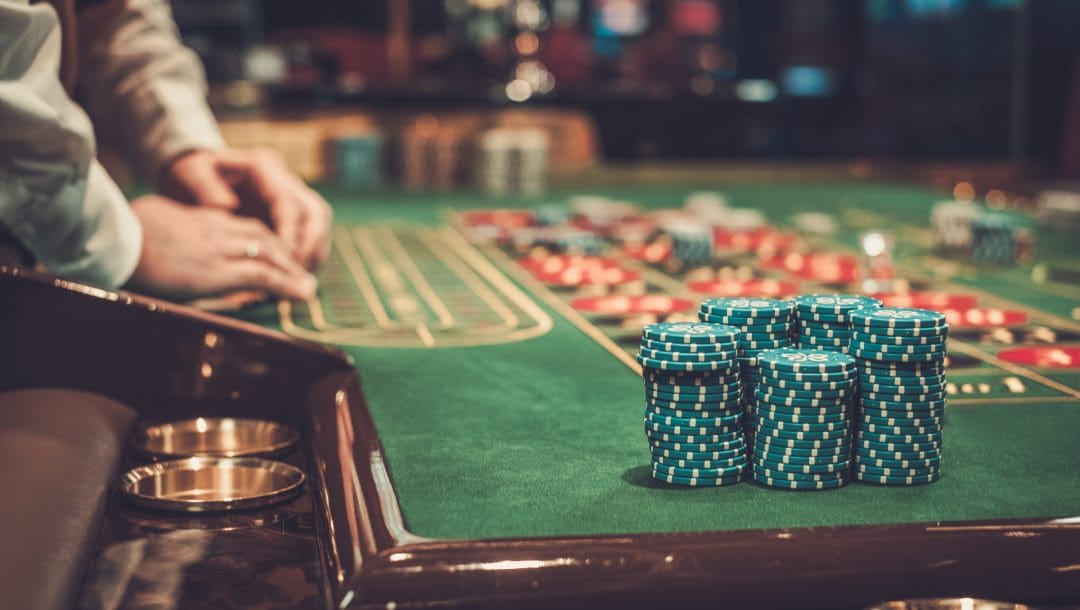
Casinos are strategically designed to amplify this effect. Slot machines, for example, often use lights, sounds, and graphics that simulate wins to create an illusion of frequent success. This sensory stimulation can heighten the thrill and keep players engaged longer, making them more susceptible to chasing losses and further investing their money.
Risk and Uncertainty
The element of risk and uncertainty plays a crucial role in gambling behaviors. Many players are drawn to the thrill of not knowing the outcome, which can lead to heightened excitement. This uncertainty taps into the human psyche, as individuals often perceive risk as a challenge, making the act of gambling more appealing.
Moreover, the potential for large payouts fuels this allure. Even if the odds are stacked against the player, the dream of hitting a jackpot can overshadow the realistic chances of loss. This cognitive bias often leads individuals to overestimate their chances, perpetuating the cycle of gambling behavior.
Social Influences and Peer Pressure
Social dynamics also significantly influence gambling behaviors in casinos. Group settings can create a sense of camaraderie among players, making the experience more enjoyable and compelling. Friends or acquaintances who gamble together often encourage each other, which can amplify the urge to play.
Additionally, casinos often employ strategies to enhance social interactions, such as offering drinks and creating social environments. This communal aspect can cloud judgment, leading individuals to make impulsive decisions they might not consider in isolation. The pressure to conform to group behaviors can further entrench gambling as a normalized activity.
The Role of Marketing and Environment
Marketing plays an essential role in shaping gambling behaviors. Casinos invest heavily in advertising and promotions that highlight the excitement of gambling, often glamorizing the lifestyle associated with it. Such marketing tactics can desensitize individuals to the potential risks and consequences, making gambling seem like a risk-free endeavor.
The physical environment of casinos also contributes to gambling behaviors. The use of bright colors, strategic layouts, and enticing sounds can create a stimulating atmosphere that keeps players engaged. These elements combine to form a persuasive environment that encourages prolonged gambling sessions, often leading players to lose track of time and money.
Ensuring a Safe Gambling Experience
As the psychological triggers that drive gambling behaviors can lead to negative consequences, it is vital to prioritize safety and well-being. Websites and organizations dedicated to promoting responsible gambling provide resources and guidance for players to ensure a safer experience. These resources help individuals understand their gambling habits and encourage them to seek assistance if they feel their behaviors are becoming problematic.
By creating a safer gambling environment and offering support, these organizations can play a crucial role in mitigating the psychological triggers that may lead to harmful gambling behaviors. Educating individuals about the risks and promoting responsible gambling practices can foster a more aware and healthier approach to gaming in casinos.