
Understanding the psychology behind gambling behavior in casinos
The Allure of Casinos
Casinos are designed to be enticing, engaging environments that stimulate the senses. Bright lights, cheerful sounds, and the potential for instant gratification create an atmosphere that can easily draw in visitors. This carefully crafted environment plays a crucial role in attracting individuals to gamble, as it triggers feelings of excitement and anticipation. For example, some people might prefer to visit casino sites not on gamstop due to the thrill they offer. The ambiance alone can heighten emotional responses, encouraging patrons to engage in gambling behavior.
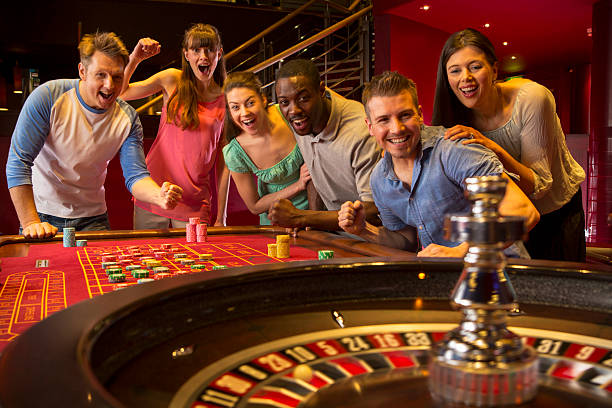
The allure of casinos is also fueled by the social aspect of gambling. Many people are drawn to the communal experience of playing games with others, celebrating wins, or sharing in the suspense of a close game. This sense of belonging can enhance the thrill of gambling, making it more appealing and reinforcing the behavior as part of a social outing.
The Role of Risk and Reward
At the heart of gambling behavior is the concept of risk versus reward. Players are often motivated by the potential for significant payouts, which can overshadow the reality of the risks involved. The possibility of winning big can lead to an adrenaline rush, prompting individuals to take greater risks. This thrill can be addictive, as the excitement of the gamble often outweighs the logical assessment of the odds.
This phenomenon can be explained through the psychological principle known as the “near-miss effect,” where players feel they were close to winning, thus reinforcing their desire to keep playing. Such experiences can create a cycle of hope and disappointment, further entrenching individuals in their gambling habits.
Cognitive Biases in Gambling
Cognitive biases also play a significant role in gambling behavior. One common bias is the illusion of control, where players believe they can influence the outcome of a game, such as poker or slots, through skill or strategies. This belief can encourage continued play, as gamblers feel empowered despite the inherent randomness of the games.
Additionally, the availability heuristic influences decision-making in gambling. When individuals recall recent wins or high-profile jackpots, they may overestimate their chances of winning. This skewed perception can lead to impulsive betting behavior and a cycle of gambling that may become difficult to break.
The Impact of Emotions on Gambling Decisions
Emotions significantly affect gambling decisions. Stress, excitement, and even sadness can drive individuals to gamble as a form of escapism. In many cases, individuals may use gambling as a way to cope with negative emotions, believing that winning can alleviate their stress or improve their mood.
However, this reliance on gambling to manage emotions can lead to negative outcomes. The temporary escape can quickly turn into a dependency, further exacerbating emotional issues and leading to a vicious cycle of gambling to escape from the consequences of previous gambling decisions.
Insights for Responsible Gambling
Understanding the psychology behind gambling behavior can help promote responsible gambling practices. By recognizing the influences of environment, emotion, and cognitive biases, individuals can be better equipped to make informed choices about their gambling activities. Establishing limits and recognizing when to walk away are vital components of healthy gambling behavior.
For those seeking further insights into gambling and its effects on behavior, the exploration of psychology in gaming can provide valuable resources and information. Engaging with knowledgeable platforms can aid in fostering a better understanding of responsible gambling practices and the psychological mechanisms that drive behavior in casinos.